
Post-operative Facial Recovery Program
We don’t look only at
‘how much swelling is left’.
Tissue · Circulation · Nerves · Muscles · Jaw joint · Cervical spine
From swelling that remains after surgery to hardened tissue and adhesions, reduced sensation and numbness, changes in facial muscle movement, jaw discomfort and structural imbalance of the face.
Ulfit Korean Medicine Clinic does not look at the post-operative face simply in terms of “how much swelling is left.” We look at why it is still swollen, why the tissue has hardened, why sensation and movement have changed, and what stage of recovery the face is in now.


Still swollen?
Is it simply ‘swelling that is slow to go down’?
Swelling after surgery is a natural part of recovery. But if, even after enough time has passed,
then it is time to look not just at ‘how much swelling is left’ but at ‘why recovery has stalled’.
After surgery, the face
may be dealing with more than just swelling
Surgery can change not only the skin and subcutaneous tissue, but also the environment of the fascia, muscles, nerves and the tissue around the jaw joint.
During recovery, the changes below can appear and be connected to one another.
That is why ULFIT RECOVERY LAB does not reduce the post-operative face to a single symptom.
We first check your current stage of recovery — whether what bothers you most is swelling, hardened tissue, a sensory problem,
facial movement, or changes in the jaw joint and structure.
ULFIT RECOVERY LAB
6 things we check for recovery

Swelling and circulation after surgery
“My face swells up again every morning.” “The side that was operated on keeps feeling heavy.” “Most of the swelling is gone, but my facial contour still looks dull.”
Early swelling after surgery naturally decreases over time, but during recovery it can last longer or differ between the left and right sides depending on the person. We look beyond the face itself and also check factors that can affect circulation, such as the soft tissue running from the face and under the chin to the neck, neck tension, the jaw joint and posture.
Treatment: Acupuncture · Pharmacopuncture · Facial/neck circulation therapy · Myofascial manual therapy · Radiofrequency · Ultrasound · Herbal medicine

Scar tissue · Tissue adhesion · Firmness
“The swelling is gone, but it feels hard inside.” “Under my chin pulls like a cord.” “It feels like my skin is stuck to what’s underneath.”
As time passes after surgery, the soft early swelling decreases, but in some areas the tissue may become firm, or a feeling of tightness and restricted movement may remain. In this case, rather than simple swelling care, we check the current firmness and mobility of the tissue and take a step-by-step approach within the necessary range, considering the timing of surgery and the state of recovery.
Treatment: Acupuncture · Acupotomy · Pharmacopuncture · Myofascial release · Manual therapy

Reduced sensation · Numbness · Abnormal sensation
“My chin or lips still feel numb.” “I get tingling or burning sensations.” “It feels different from before when I touch it.”
After surgery, depending on the area, reduced sensation, numbness, tingling, burning or unfamiliar sensations can appear. We look at where the abnormal sensation appears and the tension of the surrounding soft tissue, and decide on the treatment direction according to the current stage of recovery.
Treatment: Acupuncture · Lymphatic Chuna · Myofascial release (radiofrequency) · Herbal medicine (Ulfit Dew) · Acupotomy

Facial asymmetry and movement recovery
“My face looks more asymmetric when I smile than at rest.” “When I smile, one corner of my mouth doesn’t rise as much.” “My lips feel pulled to one side.”
After surgery, looking only at the face at rest may not be enough. We check the left–right differences in muscle tension and movement that appear when you make expressions — smiling, talking, moving your lips — and, where needed, go through a process of relearning facial movement along with muscle relaxation.
Treatment: Facial muscle acupuncture · Thread embedding (Maeseon) · Myofascial release (radiofrequency) · Myofascial Chuna · Facial muscle re-education
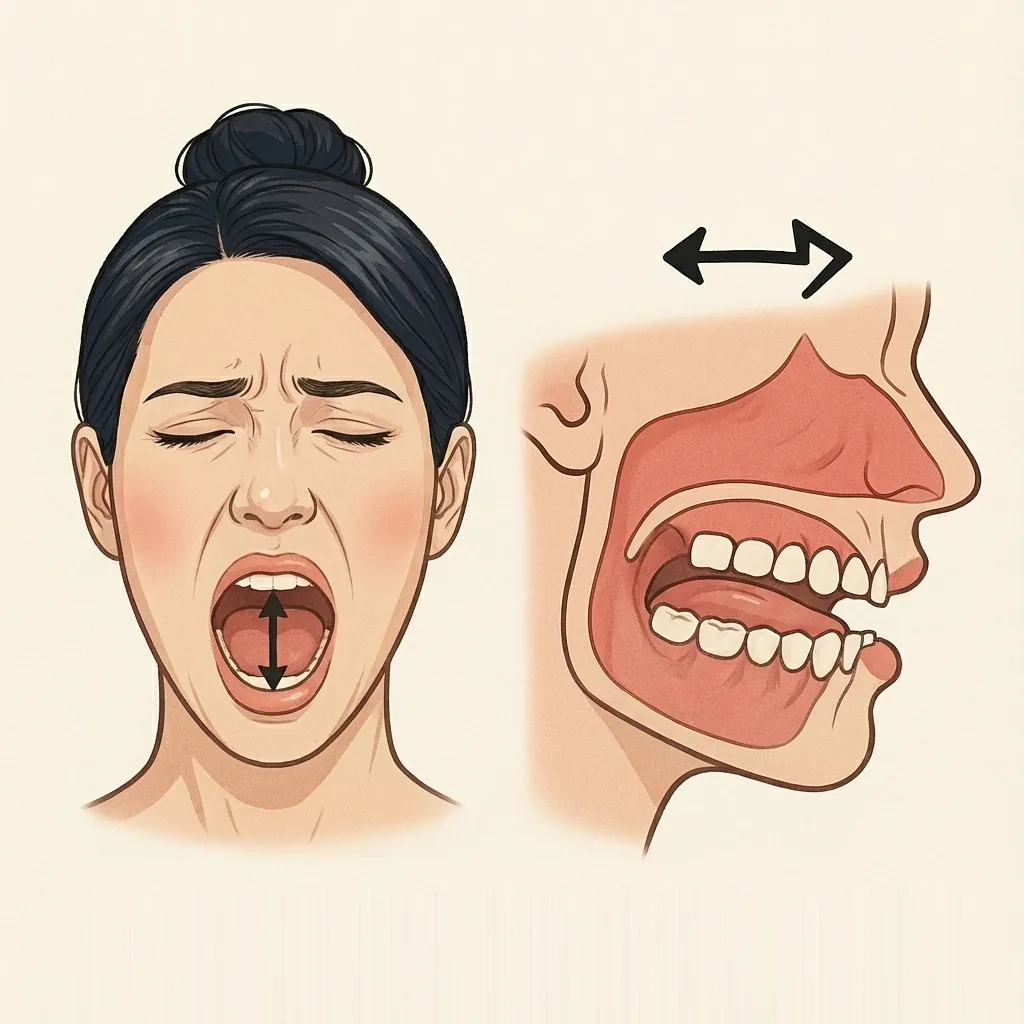
Jaw joint function after surgery
“I can’t open my mouth as well as before.” “My jaw moves to one side when I open my mouth.” “My jaw makes noises, or chewing feels different.”
Especially after double-jaw surgery or facial contouring surgery, changes in masticatory muscle tension or in the pattern of lower-jaw movement can lead to limited mouth opening, one-sided movement and jaw joint discomfort. We evaluate the movement of the jaw joint together with the balance of the surrounding masticatory muscles.
Treatment: TMJ Balance Therapy (TBT) · Masticatory muscle acupuncture/pharmacopuncture · TMJ Chuna

Structural balance from face to neck
The face and jaw joint are not completely separate from the position of the head and neck.
If, after surgery, your neck has become stiff, one shoulder feels more tense, your head has shifted forward, or your jaw feels turned to one side, it may be necessary to look at the connection between the jaw joint · skull · cervical spine · posture rather than the face alone.
Treatment: TMJ Balance Therapy · Cervical correction · Spinal correction · Posture correction · Corrective thread embedding
WHY ULFIT?
Aftereffects that remain on the face
after surgery may not start
from just one problem.
Skin → Subcutaneous tissue · Circulation → Fascia → Muscles → Nerves → Jaw joint → Cervical spine → Posture
Some people have swelling that lasts a long time, some have tissue that hardens, and for others changes in sensation and movement are more uncomfortable.
That is why Ulfit Korean Medicine Clinic does not explain every patient with a single “post-operative swelling treatment.” We look at what is most hindering recovery in your face right now, and then combine the treatments you need.

ULFIT RECOVERY PROCESS
Matched to your stage of recovery
Circulation → Tissue release →
Nerves & movement → Structural balance
STEP 01
Circulation (CIRCULATE)
We check remaining swelling and the circulation around the face and neck.
Acupuncture · Pharmacopuncture · DalSlim (herbal medicine for swelling) · Facial/neck lymphatic circulation therapy
STEP 02
Tissue release (RELEASE)
We check tissue that has hardened after surgery, along with the fascia, adhesions and scar tissue.
Acupuncture · Acupotomy · Pharmacopuncture · Lymphatic manual therapy
STEP 03
Nerves & movement (RECONNECT)
We check sensory changes, facial muscle movement and coordination between muscles.
Acupuncture · Pharmacopuncture · Lymphatic manual therapy · TBT · Facial expression re-education
STEP 04
Structural balance (REBALANCE)
We check the balance of the jaw joint and skull, and of the cervical spine and posture.
Acupuncture · Chuna · Manual therapy · TMJ balance therapy TBT · Posture correction
WHO CAN CONSULT
Who can consult us
CASE 01
Facial swelling remains for a long time
even though time has passed since surgery
CASE 02
One side of the face swells more,
or the left–right difference feels large
CASE 03
The swelling has gone down, but the tissue
under the skin feels firm
CASE 04
The area under the chin or around the cheeks
feels tight or stuck
CASE 05
Reduced sensation, numbness or abnormal
sensation remains in the chin or lips
CASE 06
You notice a left–right difference in
facial movement when smiling or talking
CASE 07
Your mouth doesn’t open well after surgery,
or your jaw hurts and chewing is difficult
CASE 08
Neck and shoulder tension, headaches
and postural changes appeared after surgery
After which surgeries can I receive treatment?
Other cases of swelling, tissue changes, or discomfort in sensation and movement during recovery from facial surgery
We consult after checking your current condition. We recommend starting treatment at least 3 weeks after surgery.
Before & After

In recovery after surgery,
‘reducing swelling’ is not the only goal.
How much swelling remains, whether tissue has hardened, how sensation is recovering,
whether the facial muscles are moving naturally, whether jaw joint function has changed, whether the balance of the face and neck has shifted.
Looking at what stage of recovery your face is in now.
That is where ULFIT RECOVERY LAB begins.
Surgery is over, but recovery needs to continue.
